Description
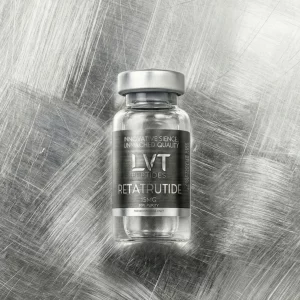
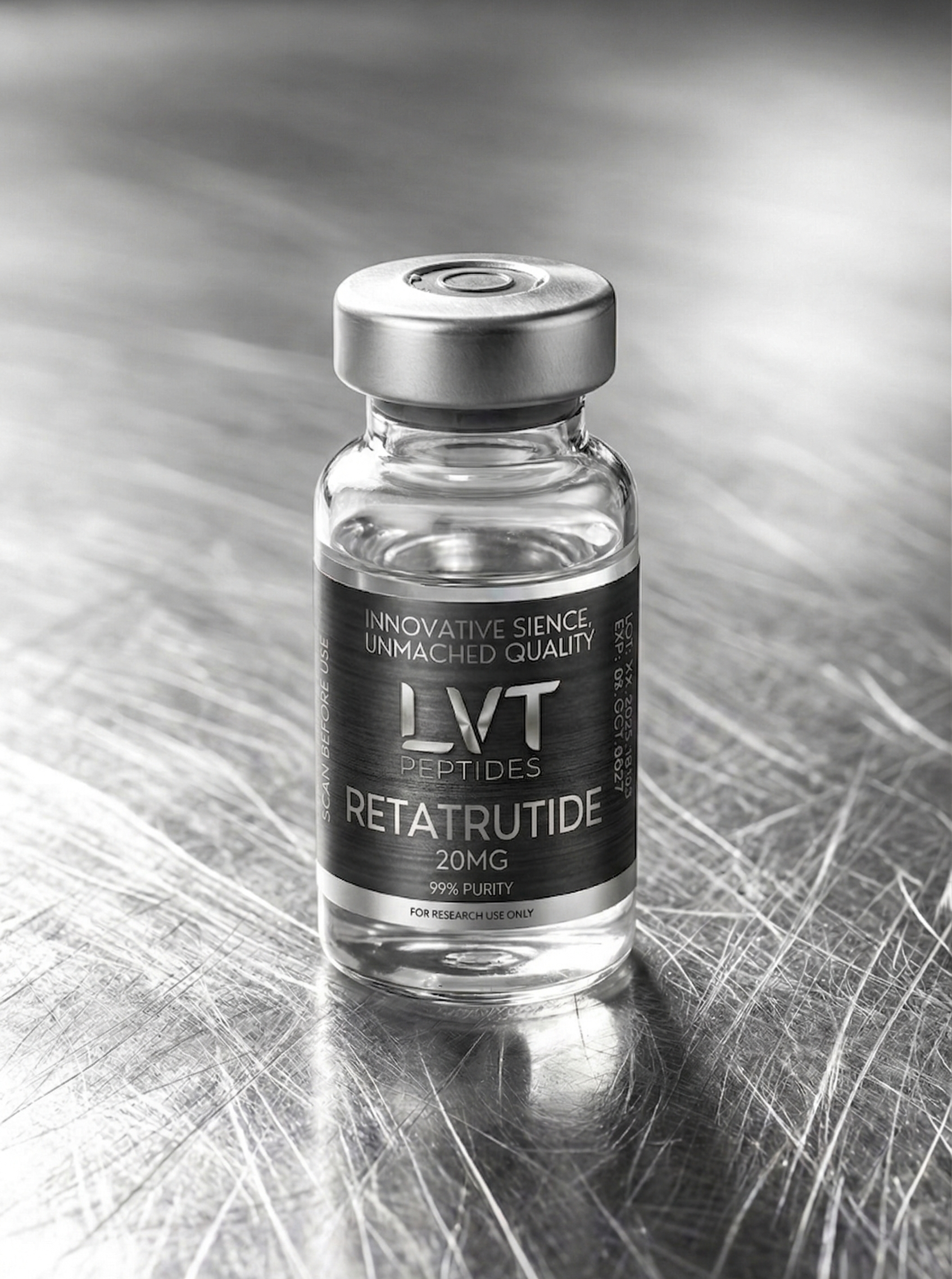
Retatrutide 20mg – Triple GLP Agonist for Advanced Weight Loss
Product Attributes
| Attribute | Details |
|---|---|
| CAS # | 2381089-83-2 |
| Molecular Formula | C221H342N46O68 |
| Sequence (AA) | YXQGTFTSDYSILLDKKAQXAFIEYLLEGGPSSGAPPPS (X = Aib) |
| Molecular Weight | 4731.33 g/mol |
| PubChem CID | 171390338 |
| Half-Life | ~ 6 days |
| Synonyms | LY3437943, Triple G incretin-glucagon agonist – GLP-1/GIP/GCGR agonist – TRI-agonist, RETA, Retaglutide, Retatratide, Retalutide |
| Type | Synthetic research peptide – multi-receptor agonist |
| Focus | Weight Loss, Metabolic Health, Liver Fat |
Description
Retatrutide is a synthetic multi-receptor agonist engineered to coordinate satiety signaling, glucose handling, and energy expenditure through concurrent activation of GLP-1R, GIPR, and GCGR. In research models, this triad produces robust weight loss, improved glycemic parameters, and enhanced lipid oxidation, offering a comprehensive platform to study whole-body metabolic remodeling.
Mechanism of Action
As a unimolecular agonist, Retatrutide binds to GLP-1R, GIPR, and GCGR with high affinity, leading to cAMP-mediated signaling cascades that enhance pancreatic beta-cell insulin release, suppress glucagon in hyperglycemia, and increase hepatic fatty acid oxidation. In animal models, this results in upregulated thermogenesis via UCP1 in brown adipose tissue and reduced lipogenesis. In vitro studies confirm synergistic receptor crosstalk, amplifying AMPK activation for improved mitochondrial function and reduced inflammation markers like CRP.
Key Research Benefits
Triple Agonist Mechanism for Comprehensive Metabolic Regulation
Retatrutide is a potent GLP-1, GIP, and glucagon receptor agonist, studied for its multi-pathway activation of energy metabolism. By engaging all three receptors, it enhances insulin secretion, suppresses appetite, and promotes lipid oxidation simultaneously. This triple agonist design provides broader metabolic modulation than single or dual incretin analogs, making it a leading subject in next-generation obesity and diabetes research.
Exceptional Weight Reduction Outcomes
Clinical and preclinical data show that Retatrutide can produce up to 24% body weight reduction over extended treatment periods. This outcome surpasses previous GLP-1 or GLP-1/GIP agonists due to enhanced thermogenesis and fat oxidation mechanisms. Research indicates a sustained and progressive decline in both subcutaneous and visceral fat mass, positioning Retatrutide as a new benchmark in metabolic optimization studies.
Marked Reduction in Visceral and Hepatic Fat
Retatrutide has been observed to dramatically reduce liver fat content (over 80% in clinical data) and visceral adiposity in both obese and type 2 diabetic subjects. This effect stems from its ability to activate glucagon receptor-mediated lipid metabolism and enhance mitochondrial β-oxidation, promoting improved liver function and systemic metabolic balance.
Improvement in Glucose Control and Insulin Sensitivity
Through simultaneous activation of incretin pathways, Retatrutide enhances insulin secretion, suppresses glucagon, and improves peripheral glucose uptake. This coordinated metabolic effect results in significant HbA1c reduction and stabilization of fasting glucose levels in research subjects. These findings highlight its potential as one of the most effective glucose-lowering peptides under investigation.
Enhanced Lipid Profile and Cardiovascular Markers
Retatrutide administration has been associated with improved lipid metabolism, including reductions in total cholesterol, LDL, and triglycerides. Studies also report lower systolic blood pressure and inflammatory markers such as CRP, suggesting favorable cardiometabolic outcomes in long-term metabolic studies.
Stimulation of Energy Expenditure and Thermogenesis
In animal models, Retatrutide increases thermogenic activity in brown adipose tissue via glucagon receptor signaling, leading to higher resting energy expenditure. Enhanced mitochondrial respiration and fatty acid oxidation contribute to continuous fat loss even under moderate caloric intake, establishing its potential as a metabolic rate enhancer in research applications.
Reduction of Systemic Inflammation
Retatrutide has been observed to reduce inflammatory cytokines such as TNF-α and IL-6, while improving endothelial function and vascular elasticity. These anti-inflammatory and vasoprotective effects complement its metabolic actions, promoting improved cardiovascular resilience in experimental models of metabolic disease.
Preservation of Lean Body Mass
Research findings suggest that despite substantial fat loss, Retatrutide supports the maintenance of lean muscle tissue. This balance between adipose reduction and muscle preservation reflects its unique energy-partitioning effect, making it valuable for studies exploring body recomposition and athletic performance enhancement.
Liver Function and NAFLD Improvement
Preclinical and early clinical studies show significant improvements in non-alcoholic fatty liver disease (NAFLD) parameters, including reduced hepatic inflammation and fibrosis. Retatrutide’s triple-agonist activation enhances AMPK signaling, reducing lipid accumulation and promoting hepatic regeneration in metabolic liver research.
Synergistic Effects with GLP-1 and Mitochondrial Peptides
Experimental protocols combining Retatrutide with Semaglutide, MOTS-c, or SS-31 are being explored to enhance mitochondrial bioenergetics, lipid metabolism, and overall metabolic performance. These stacked combinations aim to maximize fat oxidation, reduce inflammation, and sustain high energy efficiency in long-term research models.
Long-Term Metabolic Adaptation and Weight Maintenance
Follow-up studies indicate that subjects maintained over 80% of their weight loss after extended observation periods, even after discontinuation. This sustained adaptation reflects durable improvements in metabolic set-point, appetite control, and mitochondrial efficiency, marking Retatrutide as a highly promising agent for advanced metabolic research.
Peptide Interactions (Stack Suggestions)
| Peptide / Compound | Interaction | Description |
|---|---|---|
| Cagrilintide | Synergistic | Appetite control plus energy-expenditure focus for body-weight endpoints. Rationale: Amylin-analog synergy on satiety with triple-agonist metabolic activation. |
| 5-Amino-1MQ | Synergistic | Lipid-flux modulation with NNMT inhibition alongside incretin-glucagon signaling. Rationale: Encourages fat-use preference while reducing lipogenesis signals. |
| NAD+ | Synergistic | Cellular-energy and mitochondrial-support cofactor during rapid metabolic shifts. Rationale: Supports redox balance in intensive weight-loss paradigms. |
| BPC-157 / TB-500 | Compatible | Used in recovery contexts for tissue comfort and adherence during lifestyle interventions. Rationale: Soft-tissue support may reduce musculoskeletal barriers to activity. |
Dosing & Reconstitution Guide
| Parameter | Details (Retatrutide 20mg) |
|---|---|
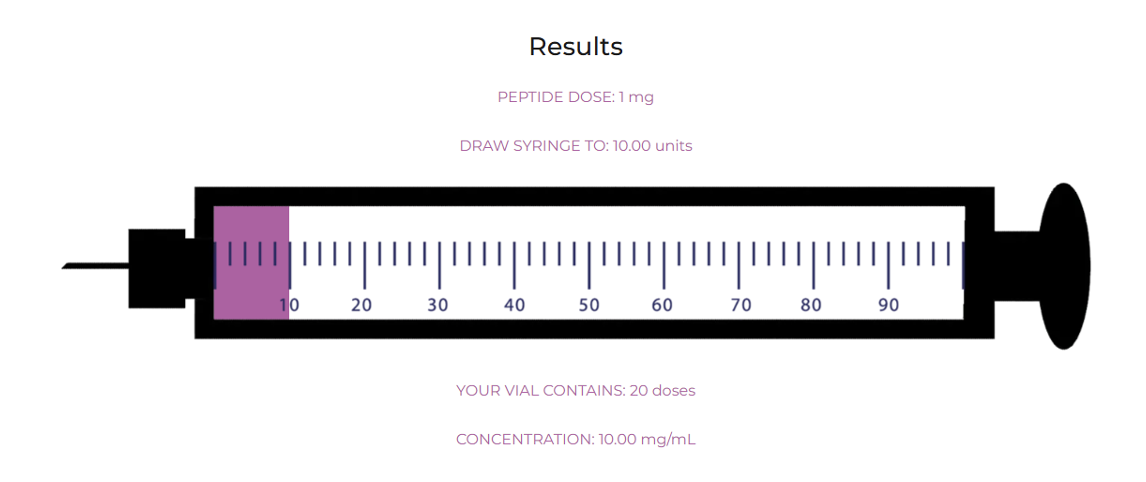
| Volume | Add 2.0 mL bacteriostatic water |
| Concentration | 10.0 mg/mL |
| Dose | 2.0 – 4.0 mg once weekly |
| Cycle Length | 20 – 48 weeks |
Dosage & Protocols Variations
Standard Protocol
Dose: 2 – 4 mg weekly, titrate to 12 mg
Duration: 20 – 48 weeks
Frequency: 1× weekly
Cycle Interval: 20 – 48 weeks on, 4 – 8 weeks off, then reassess
Goal / Description: Gradual weight reduction, improved glycemic markers
Therapeutic Protocol
Dose: 4 mg weekly, up to 12 mg
Duration: 16 – 52 weeks
Frequency: 1× weekly
Cycle Interval: 12 – 16 weeks on, 6 weeks off
Goal / Description: Larger weight-loss magnitude, liver-fat decline
Biohacker Protocol
Dose: 1 mg, escalate by 1 – 2 mg/week
Duration: 10 – 14 weeks
Frequency: 1× weekly
Cycle Interval: 10 – 14 weeks on, 4 – 6 weeks off
Goal / Description: Personalized balance of effect vs GI side effects
Glucose-Focus Protocol
Dose: 0.25 – 1.0 mg weekly
Duration: 8 – 10 weeks
Frequency: 1× weekly
Cycle Interval: 8 – 10 weeks on, 4 weeks off
Goal / Description: Improved fasting/postprandial control
Storage Instructions
Proper storage preserves peptide quality and stability.
- Lyophilized: Store at −20 °C in dry, dark conditions; minimize moisture exposure.
- Reconstituted: Refrigerate at 2–8 °C; use within 4–6 weeks; avoid freeze–thaw.
- Allow vials to reach room temperature before opening to reduce condensation uptake.