Description
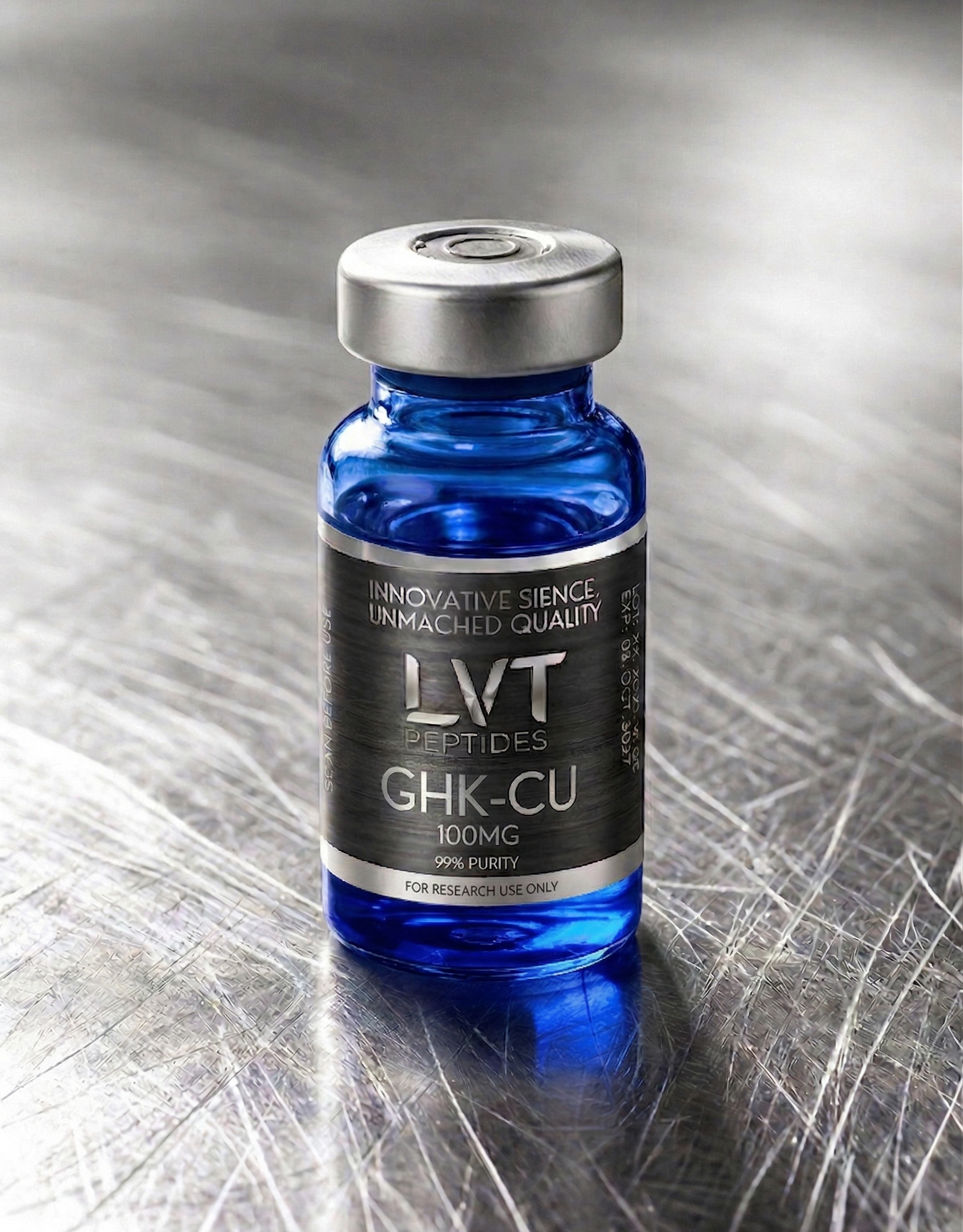
GHK-Cu – Skin Regeneration & Collagen-Stimulating Peptide
| Attribute | Details |
|---|---|
| CAS # | 49557-75-7 |
| Molecular Formula | C14H24N6O4 (free peptide), C14H22CuN6O4 (copper complex) |
| Molecular Weight | 340.38 g/mol (peptide), 403.92 g/mol (copper complex) |
| PubChem CID | 70400001 (peptide), 378611 (copper complex) |
| Half-Life | ~1-2 hours |
| Synonyms | Copper Tripeptide-1, Cu-GHK, GHK-Cu Complex, Tripeptide-Copper, Prezatide, Kollaren, Glycyl-Histidyl-Lysine |
| Type | Naturally occurring peptide-metal complex |
| Research Focus | Beauty & Skin, Anti-Aging, Regeneration, Hair Growth |
Description
GHK-Cu (Glycyl-L-Histidyl-L-Lysine Copper Complex) is a naturally occurring tripeptide known for its ability to bind copper ions and stimulate tissue regeneration. It plays a vital role in wound healing, angiogenesis, and cellular remodeling, and is studied extensively for its influence on collagen synthesis, anti-inflammatory signaling, and gene expression associated with skin and organ repair.
In research models, GHK-Cu has been shown to promote collagen and elastin synthesis, enhance fibroblast proliferation, and accelerate tissue regeneration. It also exhibits potent antioxidant and anti-inflammatory properties by reducing oxidative damage and modulating cytokine activity. These combined effects support applications in regenerative medicine, anti-aging research, and cellular repair studies.
GHK-Cu’s angiogenic and epigenetic activity has been observed to influence the expression of thousands of genes related to healing, metabolism, and immune response. It restores normal cellular communication and reduces fibrosis while promoting healthy tissue remodeling. These mechanisms make it a key peptide in studies focused on dermal rejuvenation, neuroprotection, and systemic repair.
Mechanism of Action
As a copper chelator, GHK-Cu modulates over 4,000 human genes, upregulating those involved in tissue remodeling (e.g., collagen I, III) and downregulating pro-inflammatory pathways like NF-κB. In vitro models show it enhances superoxide dismutase activity for antioxidant effects and stimulates metalloproteinases for matrix turnover. Animal studies indicate a plasma half-life of approximately 1-2 hours, with rapid tissue distribution facilitating its role in wound contraction and epithelialization.
Benefits
Promotion of Collagen and Elastin Synthesis
GHK-Cu is extensively studied for its ability to stimulate collagen and elastin production in skin fibroblasts. This effect improves dermal structure, elasticity, and firmness, contributing to more youthful and resilient tissue architecture. In research models, increased expression of extracellular matrix proteins has been observed, supporting its use in studies of wound healing and skin regeneration.
Acceleration of Wound Healing
GHK-Cu promotes faster wound closure and epithelial repair by stimulating keratinocyte migration, angiogenesis, and fibroblast proliferation. It also enhances the synthesis of glycosaminoglycans and decorin, key molecules for tissue matrix integrity. These effects make it a strong candidate in regenerative research involving burns, ulcers, and post-surgical recovery.
Powerful Anti-Inflammatory and Antioxidant Actions
Research shows that GHK-Cu reduces inflammatory cytokines such as IL-6 and TNF-α while enhancing antioxidant enzyme expression, including superoxide dismutase and catalase. This combination helps protect tissues from oxidative stress, cellular aging, and inflammatory degradation, contributing to overall cellular health and regeneration.
Stimulation of Angiogenesis and Tissue Remodeling
GHK-Cu has been observed to promote new capillary formation and improve oxygen and nutrient delivery to damaged tissue. This pro-angiogenic activity accelerates remodeling and supports long-term regeneration of skin, muscle, and connective tissue structures in experimental models.
Activation of Stem Cell Pathways
In vitro research suggests that GHK-Cu activates stem cell-related gene expression and supports progenitor cell differentiation in tissue repair processes. This gene modulation effect extends to pathways related to wound response, growth factors, and anti-fibrotic mechanisms, making it of growing interest in regenerative biology studies.
Improvement of Skin Texture and Tone
Clinical and preclinical data indicate that GHK-Cu can reduce fine lines, wrinkles, and skin roughness through enhanced collagen matrix formation and hydration. This peptide’s effect on dermal density and surface morphology positions it as a benchmark compound in cosmetic and dermatological research formulations.
Regulation of Hair Growth and Follicle Health
GHK-Cu has been observed to stimulate hair follicle activity and prolong the anagen (growth) phase. It improves blood supply and reduces follicular inflammation, supporting experimental models aimed at reversing hair thinning or promoting scalp regeneration. Its copper-binding capacity contributes to enzymatic balance critical for follicular metabolism.
Protection Against Oxidative and Cellular Aging
GHK-Cu exerts cytoprotective effects by chelating free copper ions and reducing oxidative damage to lipids, proteins, and DNA. These antioxidant properties are associated with enhanced mitochondrial function and longevity-related gene expression, supporting research into anti-aging and cellular resilience mechanisms.
Anti-Fibrotic and Tissue Remodeling Properties
Research has shown that GHK-Cu reduces fibrosis in liver, lung, and skin models by downregulating TGF-β1 and other pro-fibrotic genes. This promotes more balanced tissue remodeling and prevents excessive scar formation, contributing to smoother recovery and improved functional outcomes in regeneration research.
Synergistic Effects in Regenerative Blends
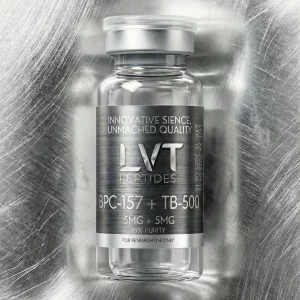
When combined with peptides such as BPC-157 or TB-500, GHK-Cu enhances tissue repair through complementary mechanisms—angiogenesis, fibroblast stimulation, and collagen synthesis. This synergy forms the basis of advanced regenerative research blends focused on recovery, skin health, and post-injury repair.
Gene Expression Resetting and Cellular Rejuvenation
Transcriptomic analyses reveal that GHK-Cu can revert gene expression profiles of aged cells to a more youthful state, affecting over 4,000 genes linked to cell growth, antioxidant defense, and repair. This profound genomic modulation underscores its growing significance in anti-aging, epigenetic, and longevity research models.
Peptide Interactions (Stack Suggestions)
| Peptide | Interaction | Description |
|---|---|---|
| BPC-157 + TB-500 | Synergistic | Enhanced tissue regeneration and angiogenesis synergy. |
| KPV peptide | Synergistic | Amplified anti-inflammatory and epithelial protection. |
| NAD+ or SS-31 | Synergistic | Improved mitochondrial repair and oxidative resilience. |
| Epitalon | Synergistic | Supports long-term skin rejuvenation and DNA repair. |
| Hyaluronic acid or Glutathione | Synergistic | Complements hydration and antioxidant balance. |
Dosing & Reconstitution Guide
| Parameter | Details (GHK-Cu 100mg) |
|---|---|
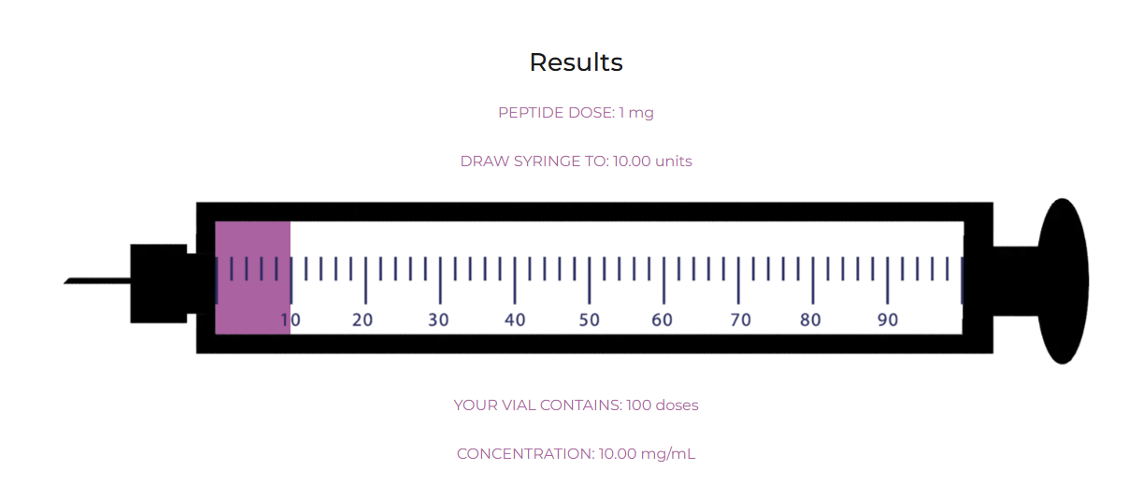
| Volume | Add 10.00 mL bacteriostatic water |
| Concentration | 10.00 mg/mL |
| Dose | 1.0 – 5.0 mg 5× per week |
| Cycle Length | 24 – 48 weeks |
Dosage & Protocols Variations
Standard Protocol
Dose: 1 – 5 mg
Duration: 2 – 4 weeks
Frequency: Daily, 5x per week
Cycle Interval: 1-week pause
Goal / Description: Used for baseline collagen and regeneration studies.
Therapeutic Research Protocol
Dose: 5 – 10 mg
Duration: 24 – 48 weeks
Frequency: 4 – 8 weeks
Cycle Interval: 3-5× per week
Goal / Description: For advanced skin, wound, or hair research.
Biohacker Protocol
Dose: 1 – 2 mg
Duration: 30 days
Frequency: Daily
Cycle Interval: Repeat monthly
Goal / Description: Used for anti-aging and repair model observation.
Storage Instructions
Proper storage preserves peptide quality and stability.
- Lyophilized: Store at −20 °C in dry, dark conditions; minimize moisture exposure.
- Reconstituted: Refrigerate at 2–8 °C; use within 4–6 weeks; avoid freeze–thaw.
- Allow vials to reach room temperature before opening to reduce condensation uptake.