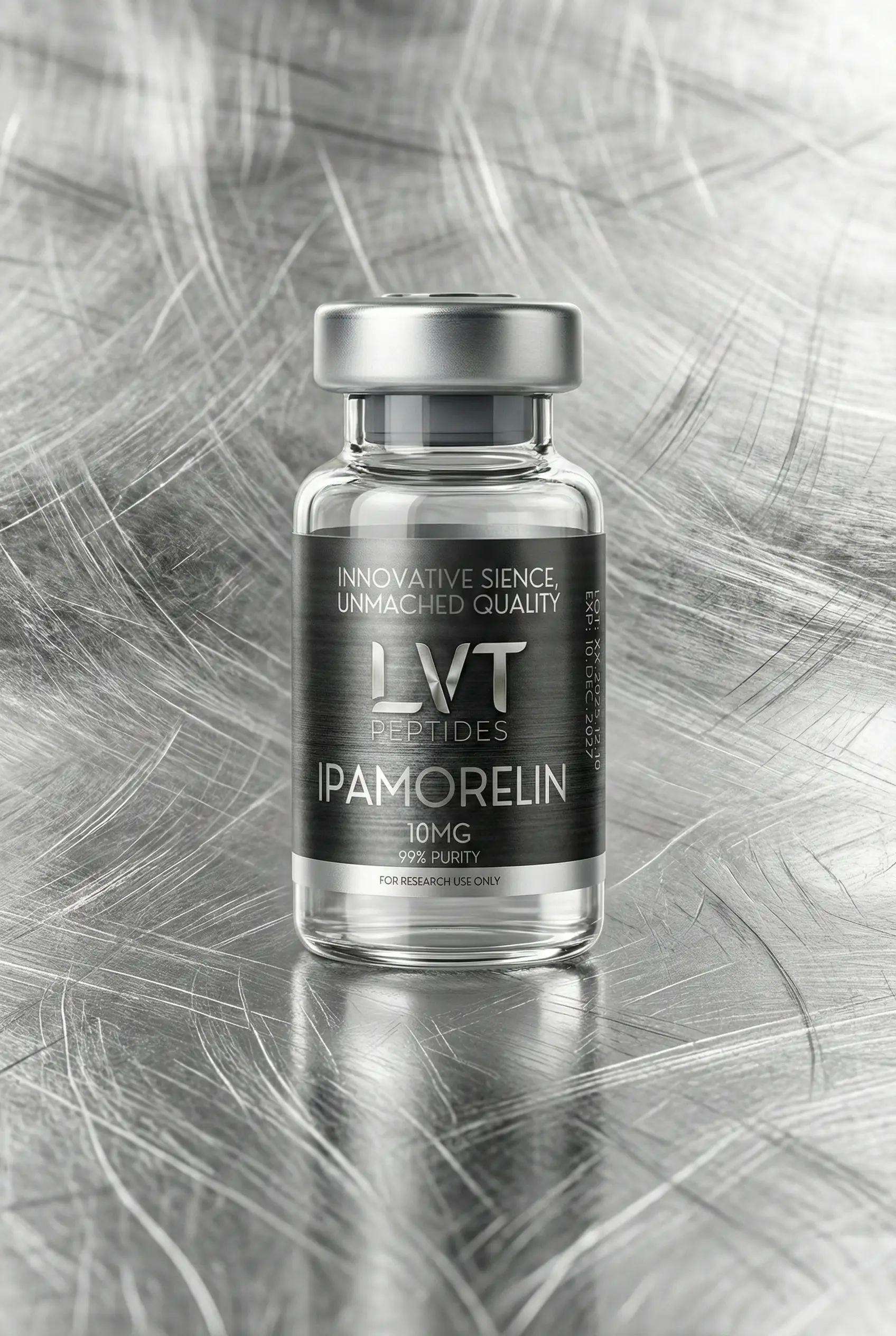
Description
Ipamorelin – Natural Growth Hormone Support & Recovery Enhancement
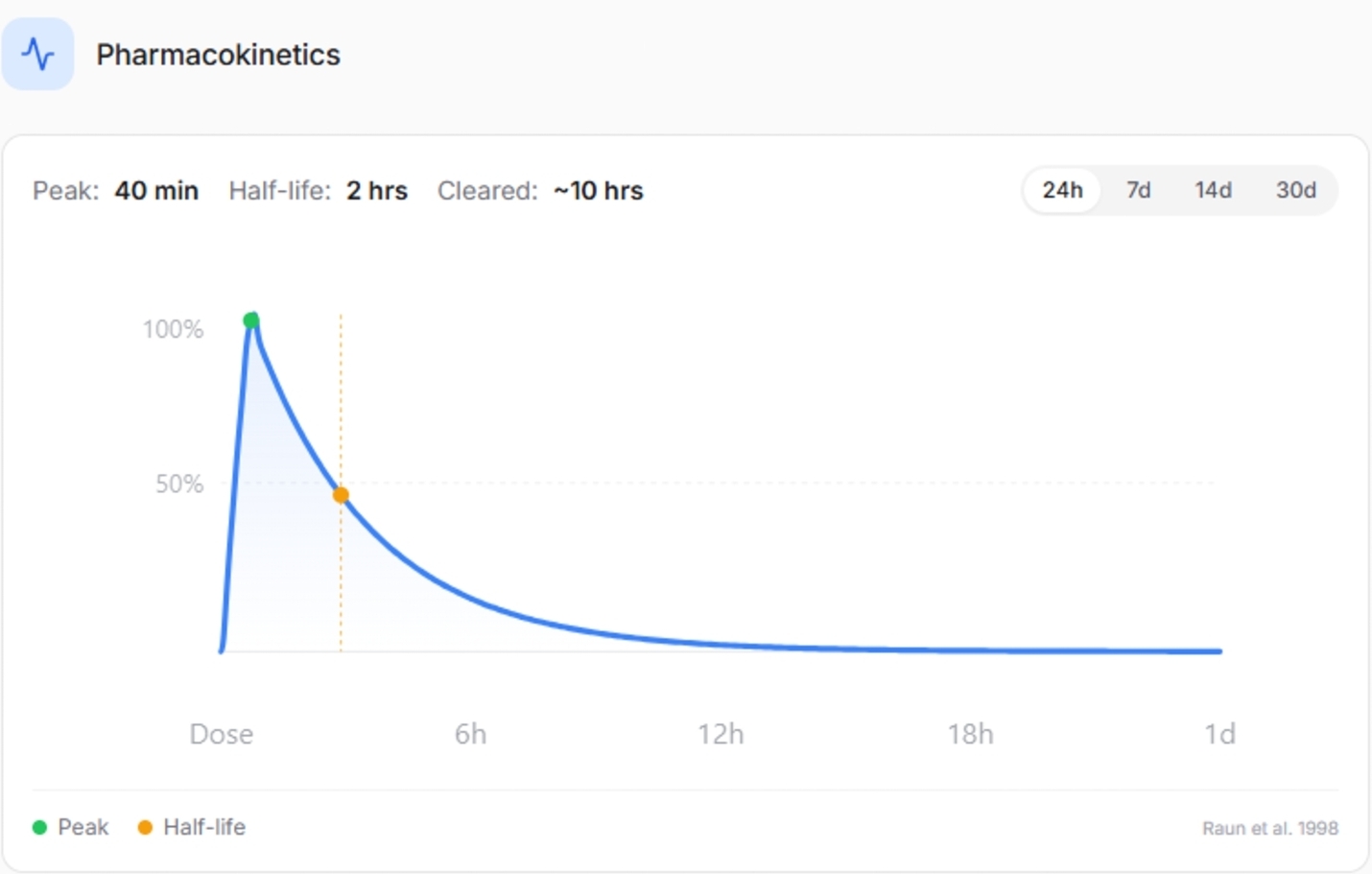
Description
Ipamorelin is a selective ghrelin receptor (GHS-R1a) agonist belonging to the growth hormone releasing peptide (GHRP) family. It stimulates pulsatile growth hormone (GH) release from the anterior pituitary by mimicking endogenous ghrelin signaling. Compared to earlier GHRPs, Ipamorelin is known for its receptor selectivity and reduced stimulation of cortisol and prolactin pathways.
Mechanism of Action
Ipamorelin stimulates natural growth hormone release by activating ghrelin receptors in the pituitary gland. This activation triggers pulsatile GH secretion while maintaining upstream hypothalamic regulation. Its selective receptor profile supports GH release without significant stimulation of stress-related hormones.
Benefits
Supports natural growth hormone pulses
Ipamorelin works by stimulating your body’s own growth hormone release rather than replacing it with synthetic GH. This means the pituitary gland remains active and responsive. Growth hormone is normally released in pulses throughout the day, especially during deep sleep. By encouraging this natural rhythm, Ipamorelin supports a more physiological hormone pattern. This approach helps maintain endocrine balance instead of bypassing regulatory systems.
Encourages recovery through endogenous pathways
Growth hormone plays an important role in tissue repair, muscle recovery, and protein synthesis. By stimulating natural GH release, Ipamorelin indirectly supports the body’s recovery signaling network. This includes downstream IGF-1 production, which is involved in structural repair processes. Instead of forcing supraphysiological levels, it works within the body’s own hormone framework.
Maintains hormonal feedback integrity
One of the key differences between stimulating GH and injecting it directly is preservation of feedback loops. Ipamorelin activates the pituitary while keeping hypothalamic regulation intact. This means the body can still modulate output based on its needs. Maintaining this feedback system is important in research focused on long-term endocrine stability.
Selective stimulation with minimal stress-hormone impact
Earlier growth hormone releasing peptides were associated with increased cortisol or prolactin levels. Ipamorelin was designed to be more selective at the ghrelin receptor. This selectivity allows GH stimulation without significant activation of stress-related hormone pathways. The result is a cleaner hormonal profile in experimental settings.
Supports sleep-associated hormone cycles
Growth hormone release naturally peaks during deep sleep stages. Ipamorelin has been studied for its ability to enhance physiologic nighttime GH pulses. Since sleep quality and recovery are closely linked to hormone rhythms, this timing alignment is relevant in recovery-focused research models.
Engages downstream IGF-1 signaling
When growth hormone increases, the liver produces insulin-like growth factor 1 (IGF-1). IGF-1 is associated with muscle repair, cellular growth, and metabolic signaling. By stimulating GH first, Ipamorelin activates this secondary pathway in a stepwise, physiological manner. This layered response mimics the body’s natural hormone cascade.
Explored in age-related hormone decline models
Natural growth hormone production decreases over time. Ipamorelin has been evaluated in research examining reduced GH levels associated with aging. Rather than introducing external hormones, it encourages the body to resume endogenous production patterns. This makes it relevant in studies of endocrine aging biology.
Supports structured, controlled hormone research
Provided in a stabilized pre-mixed injection pen for SubQ administration, Ipamorelin allows consistent exposure in controlled research protocols. Subcutaneous delivery enables predictable absorption. Each unit is freshly prepared and intended strictly for laboratory use only.
Peptide Interactions (Stack Suggestions)
| Peptide | Interaction | Description |
|---|---|---|
| CJC-1295 | Synergistic | Gold standard combination – CJC extends GH release while Ipamorelin provides the pulse for optimal growth hormone cycles |
| BPC-157 | Synergistic | BPC-157 upregulates GH receptors, potentially enhancing Ipamorelin effectiveness for recovery and muscle growth |
| TB-500 | Compatible | Complementary for muscle recovery, tissue repair, and overall regeneration |
| Sermorelin | Use Caution | Both stimulate GH release, choose one to avoid receptor oversaturation |
| GHRP-2 | Avoid Combination | Redundant GH stimulation pathways, may cause receptor desensitization |
| GHRP-6 | Avoid Combination | Similar mechanism with higher hunger effects, stick to Ipamorelin for cleaner profile |
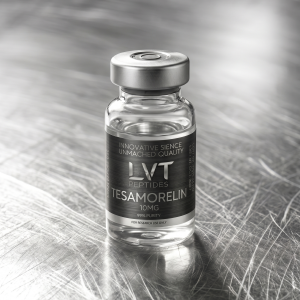
| Tesamorelin | Monitor Combination | Synergistic GH stimulation possible. Monitor IGF-1 levels closely and consider dose adjustments to prevent excessive growth hormone elevation. |
Dosing & Reconstitution Guide
| Parameter | Details (Ipamorelin 10mg) |
|---|---|
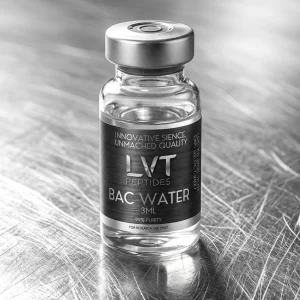
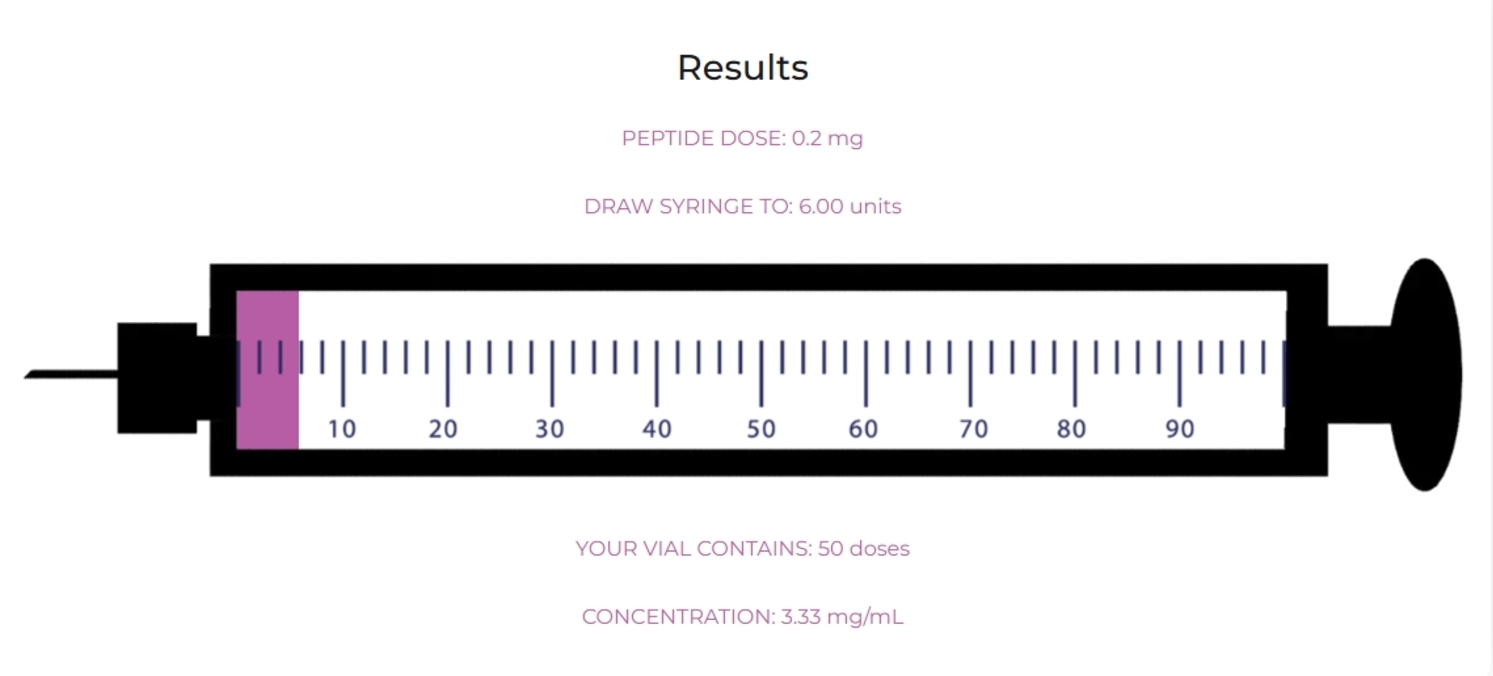
| Volume | Add 3.0 mL bacteriostatic water |
| Concentration | 3.33 mg/mL |
| Dose | 0.2 – 0.3 mg / 1x daily |
| Cycle Length | 12 weeks |
Dosage & Protocols Variations
| Week | Daily Dose (mcg) | Units (per injection) (mL) |
|---|---|---|
| Weeks 1–2 | 0.2 mg | 6 units (0.06 mL) |
| Weeks 3–4 | 0.25 mg | 7.5 units (0.075 mL) |
| Weeks 5–12 | 0.3 mg | 9 units (0.09 mL) |
Suggested daily titration approach:
Start: 0.2 mg daily; increase by ~ 0.05 mg every 1–2 weeks as tolerated.
Target: 0.3 mg daily by Weeks 5–12.
Frequency: Once per day (subcutaneous), ideally 30–60 minutes before bedtime.
Cycle Length: 8–12 weeks; optional extension to 16 weeks, followed by 2–4 week off-cycle.
Timing: Evening bedtime dosing preferred; rotate injection sites.
Storage Instructions
Proper storage preserves peptide quality and stability.
- Lyophilized: Store at −20 °C in dry, dark conditions; minimize moisture exposure.
- Reconstituted: Refrigerate at 2–8 °C; use within 4–6 weeks; avoid freeze–thaw.
- Allow vials to reach room temperature before opening to reduce condensation uptake.