
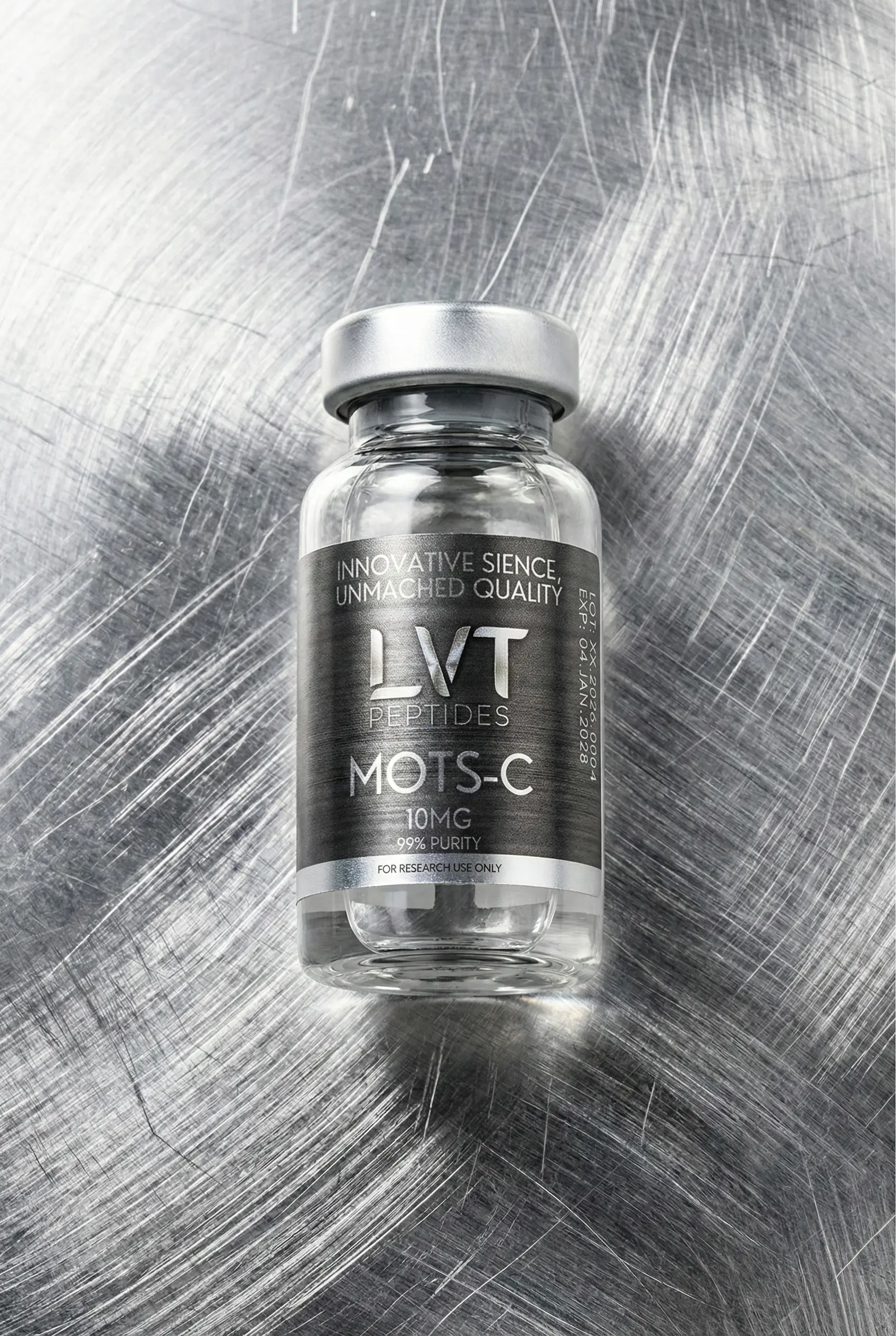
Description
MOTS-c – Metabolic Balance & Cellular Resilience
Product Attributes
| Attribute | Details |
|---|---|
| CAS # | 1415585-49-1 |
| Molecular Formula | C136H224N38O38 |
| Sequence (AA) | MRWQEMGYIFYPRKLR |
| Molecular Weight | ~2172.6 g/mol |
| PubChem CID | 118680070 |
| Half-Life | ~2 – 4 hours |
| Synonyms | Mitochondrial Open Reading Frame Peptide, MOTSc, MOTS peptide, 12S rRNA-c |
| Type | Mitochondrial-encoded bioactive peptide regulating cellular metabolism |
| Research Focus | Mitochondria & Metabolic Function |
Description
MOTS-c (Mitochondrial Open Reading Frame of the 12S rRNA type-c) is a 16-amino acid peptide encoded within mitochondrial DNA, distinguishing it from most nuclear-derived peptides. It functions as a metabolic regulator, modulating glucose and lipid metabolism in response to energy stress. Research has demonstrated that MOTS-c acts as a cellular energy sensor, activating AMP-activated protein kinase (AMPK) and promoting adaptive metabolic responses that enhance mitochondrial efficiency. These effects are of particular interest in studies exploring insulin resistance, obesity, and exercise physiology.
Mechanism of Action
MOTS-c enters the nucleus under metabolic stress and binds to specific DNA response elements, upregulating genes involved in oxidative phosphorylation, glucose transport (GLUT4), and fatty acid catabolism. It stimulates AMPK and SIRT1 pathways, thereby increasing PGC-1α activity and mitochondrial biogenesis. In models of metabolic dysfunction, MOTS-c reduces reactive oxygen species (ROS), enhances insulin signaling through AKT phosphorylation, and modulates mTORC1 to balance anabolic and catabolic processes. These mechanisms collectively contribute to improved cellular energy efficiency and longevity signaling.
Key Research Benefits
Activation of AMPK and Metabolic Regulation
MOTS-c is a mitochondria-derived peptide studied for its role in activating the AMPK signaling pathway, which enhances glucose uptake, fatty acid oxidation, and cellular energy balance. Through this mechanism, it improves metabolic flexibility and overall energy efficiency, positioning it as a core peptide in research on metabolic optimization and cellular homeostasis.
Improved Insulin Sensitivity and Glucose Utilization
Preclinical and human studies demonstrate that MOTS-c enhances insulin sensitivity and glucose tolerance by promoting GLUT4 translocation and regulating key enzymes in glucose metabolism. These effects make it a central compound in experimental models addressing insulin resistance, metabolic syndrome, and energy regulation disorders.
Promotion of Fat Oxidation and Weight Management
Through its influence on AMPK and mitochondrial metabolism, MOTS-c increases lipid utilization and fat oxidation in skeletal muscle and adipose tissue. This shift toward efficient fat burning has been associated with reduced weight gain and improved body composition in animal models subjected to high-fat diets.
Enhanced Mitochondrial Function and Energy Production
Research shows that MOTS-c enhances mitochondrial respiration and biogenesis, resulting in improved ATP synthesis and reduced oxidative stress. These effects contribute to greater cellular resilience, especially under metabolic or physical stress, making it a promising agent in studies of mitochondrial health and longevity.
Resistance to Metabolic Stress and Aging
In aging models, MOTS-c has been observed to preserve metabolic balance and physical performance under stress conditions such as high-fat feeding or fasting. It supports homeostasis by maintaining mitochondrial function and reducing age-associated metabolic decline, highlighting its potential relevance in anti-aging and gerontology research.
Enhancement of Exercise Endurance and Muscle Function
MOTS-c has been shown to increase exercise capacity and endurance through improved muscle energy metabolism and reduced lactate accumulation. These findings indicate that it may optimize substrate utilization during prolonged activity, making it a leading candidate for research into athletic performance and energy efficiency.
Protection Against Oxidative and Cellular Stress
Studies reveal that MOTS-c enhances antioxidant defenses by regulating stress-response genes such as NRF2 and FOXO3a. This activity helps protect mitochondria and DNA from oxidative damage, supporting cellular integrity and long-term health in research on aging and stress resistance.
Modulation of Inflammatory Pathways
MOTS-c demonstrates anti-inflammatory properties by reducing the production of cytokines including IL-6, TNF-α, and CRP in experimental models. This contributes to systemic balance and supports ongoing research into chronic inflammation, metabolic disorders, and longevity-linked pathways.
Neuroprotective and Cognitive Supportive Effects
Emerging data suggest that MOTS-c can protect neurons from oxidative damage and improve cognitive resilience under metabolic stress. Its regulation of mitochondrial activity in neural tissues supports research exploring its role in brain energy metabolism and neurodegenerative disease prevention.
Support for Longevity and Healthy Aging
Long-term studies indicate that MOTS-c expression declines with age, and supplementation restores youthful metabolic and mitochondrial profiles. Its capacity to sustain energy homeostasis, reduce inflammation, and prevent insulin resistance positions it as a key peptide in aging and lifespan extension research.
Synergistic Potential with NAD+ and SS-31
When combined with mitochondrial-targeted compounds such as NAD+ or SS-31, MOTS-c shows synergistic effects on oxidative phosphorylation, energy output, and protection against cellular aging. These combinations are under study for enhancing mitochondrial resilience and overall vitality in long-term metabolic health models.
Peptide Interactions (Stack Suggestions)
| Peptide | Interaction | Description |
|---|---|---|
| NAD+ | Synergistic | Synergistic mitochondrial biogenesis and energy production. |
| SS-31 | Synergistic | Acts as a mitochondrial antioxidant and protector, amplifying metabolic benefits. |
| BPC-157 | Synergistic | Supports tissue recovery and cellular stress defense, working well with MOTS-c. |
| Epitalon | Synergistic | Provides anti-aging and telomere function support alongside metabolic regulation. |
Dosing & Reconstitution Guide
| Parameter | Details (MOTS-c 10mg) |
|---|---|
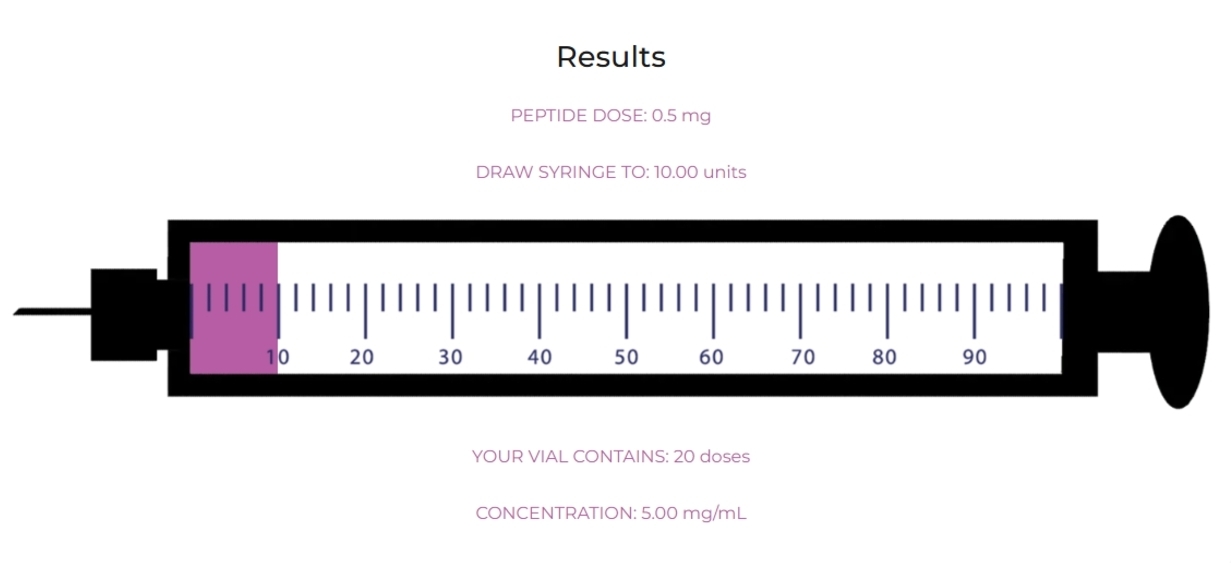
| Volume | Add 2.0 mL bacteriostatic water |
| Concentration | 5.0 mg/mL |
| Dose | 0.5 – 1.0 mg once daily |
| Cycle Length | 8 – 12 weeks |
Dosage & Protocols Variations
Standard Metabolic Protocol
Dose: 0.5 – 1 mg
Duration: 8 – 12 weeks
Frequency: 1× daily
Cycle Interval: 4-week rest
Goal / Description: Commonly used for metabolic regulation and insulin sensitivity studies.
Performance & Endurance Protocol
Dose: 1 mg
Duration: 8 – 12 weeks
Frequency: Every Other Day
Cycle Interval: 4-week rest
Goal / Description: Applied in models focused on energy optimization and fatigue resistance.
Mitochondrial Recovery Protocol
Dose: 5 mg
Duration: 8 – 12 weeks
Frequency: 1× daily
Cycle Interval: 8-week rest
Goal / Description: Studied for mitochondrial repair and oxidative stress response.
Storage & Stability
- Lyophilized: Store at -20°C in dry, dark conditions; minimize moisture exposure.
- Reconstituted: Refrigerate at 2–8°C; use within 4–6 weeks; avoid freeze-thaw.
- Allow vials to reach room temperature before opening to reduce condensation uptake.