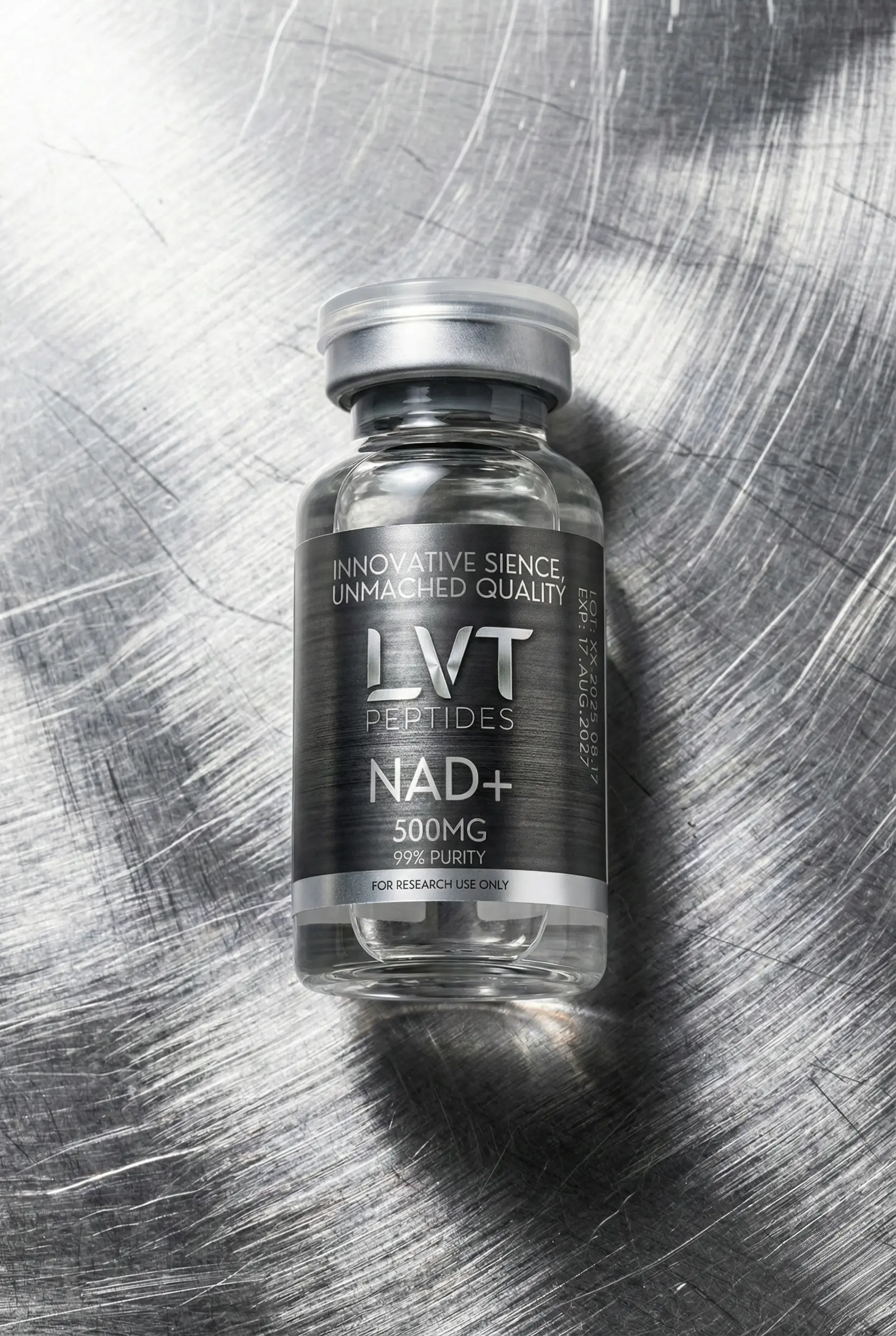
Description
NAD+ Cellular Energy & Mitochondrial Support
Product Attributes
| Attribute | Details |
|---|---|
| CAS # | 53-84-9 |
| Molecular Formula | C21H27N7O14P2 |
| Sequence (AA) | N/A (coenzyme, not peptide) |
| Molecular Weight | 663.43 g/mol |
| PubChem CID | 5893 |
| Half-Life | ~1 – 2 hours (systemic) |
| Synonyms | Nicotinamide Adenine Dinucleotide, β-NAD+, NADH oxidized form, (Diphosphopyridine) |
| Type | Endogenous coenzyme involved in energy metabolism and repair |
| Focus | Mitochondria & Anti-Age Research |
Description
Nicotinamide Adenine Dinucleotide (NAD+) is a pyridine nucleotide coenzyme central to redox reactions, mitochondrial respiration, and cellular signaling. It exists in two forms — oxidized (NAD+) and reduced (NADH) — both indispensable for ATP generation and metabolic homeostasis. NAD+ serves as a cofactor for hundreds of oxidoreductase enzymes, enabling the conversion of nutrients into energy through the Krebs and electron transport chains.
In addition to its role in metabolism, NAD+ functions as a substrate for sirtuins and PARPs, proteins involved in DNA repair, inflammation control, and gene expression regulation. These processes make NAD+ a central molecule in aging, neuroprotection, and metabolic research.
Mechanism of Action
NAD+ participates in glycolysis, the tricarboxylic acid (TCA) cycle, and oxidative phosphorylation, transferring electrons to complex I of the electron transport chain to produce ATP. It is also consumed by PARP enzymes in DNA repair and by sirtuins, which deacetylate transcription factors like PGC-1α and FOXO3a.
These actions enhance mitochondrial biogenesis, stress resistance, and genomic stability. In cellular aging models, replenishing NAD+ restores NAD+/NADH ratio, activates AMPK signaling, and reduces oxidative and inflammatory burden through downstream modulation of NF-κB and mTOR pathways.
Key Research Benefits
Essential Cofactor for Cellular Energy Production
NAD+ (Nicotinamide Adenine Dinucleotide) is a vital coenzyme required for ATP synthesis and mitochondrial respiration. It facilitates the transfer of electrons in redox reactions within the Krebs cycle and electron transport chain. Research consistently demonstrates that maintaining optimal NAD+ levels is essential for energy metabolism, cellular vitality, and mitochondrial function.
Support for Mitochondrial Function and Bioenergetics
NAD+ plays a central role in mitochondrial maintenance and oxidative phosphorylation. It supports the conversion of nutrients into cellular energy and helps preserve mitochondrial DNA integrity. Restoration of NAD+ levels in experimental models enhances ATP production, improves cellular endurance, and delays mitochondrial dysfunction associated with aging and metabolic decline.
Activation of Sirtuins and Longevity Pathways
As a required cofactor for sirtuin enzyme activation (SIRT1-SIRT7), NAD+ directly influences gene expression related to metabolism, stress resistance, and aging. Sirtuins regulate DNA repair, inflammatory balance, and mitochondrial biogenesis. Increasing NAD+ availability has been shown to extend lifespan and healthspan in multiple preclinical models.
Improved DNA Repair and Cellular Resilience
NAD+ is the substrate for PARP (Poly ADP-Ribose Polymerase), an enzyme responsible for repairing DNA damage. Adequate NAD+ levels enable efficient DNA repair, genomic stability, and cell survival following oxidative or environmental stress. This mechanism is central to ongoing research on longevity, genoprotection, and anti-aging strategies.
Enhancement of Cognitive Function and Neuroprotection
Research suggests that increasing NAD+ availability enhances neuronal energy metabolism and reduces neuroinflammation. By supporting mitochondrial function within neurons, NAD+ helps protect against cognitive decline, memory impairment, and neurodegenerative damage, making it a cornerstone in studies of brain health and aging.
Reduction of Inflammation and Oxidative Stress
Through the regulation of sirtuin and PARP activity, NAD+ modulates the expression of pro-inflammatory cytokines such as TNF-α and IL-6. This results in improved redox balance and reduced cellular inflammation, supporting tissue recovery, immune balance, and overall systemic homeostasis in metabolic and aging research.
Improved Metabolic Efficiency and Insulin Sensitivity
Experimental data show that higher NAD+ levels enhance glucose and lipid metabolism by activating AMPK and sirtuin pathways. This leads to improved insulin sensitivity, better mitochondrial oxidation, and stable energy utilization, making it valuable in research exploring obesity, metabolic syndrome, and type 2 diabetes.
Support for Muscle Endurance and Physical Performance
NAD+ is essential for muscle cell energy turnover and endurance. Studies demonstrate that replenishment of NAD+ improves mitochondrial density and oxidative capacity in skeletal muscle, resulting in better exercise performance, faster recovery, and resistance to fatigue in both animal and human research models.
Maintenance of Liver and Cardiometabolic Health
NAD+ replenishment has been shown to improve lipid metabolism and reduce hepatic fat accumulation. It supports mitochondrial β-oxidation, reduces oxidative stress in liver cells, and promotes vascular function, making it a central focus in studies on fatty liver disease and cardiovascular protection.
Restoration of Circadian Rhythm and Cellular Homeostasis
NAD+ levels oscillate with circadian rhythm and regulate the activity of clock-controlled genes. Maintaining sufficient NAD+ availability aligns metabolic and cellular processes with biological day-night cycles, promoting hormonal balance, improved sleep patterns, and optimized cellular repair in experimental circadian studies.
Synergy with Mitochondrial Peptides and Antioxidants
When combined with peptides such as MOTS-c, SS-31, or 5-Amino-1MQ, NAD+ amplifies mitochondrial biogenesis, antioxidant defense, and energy metabolism. This synergistic interaction supports experimental longevity models and highlights its importance as a universal cofactor in advanced metabolic optimization research.
Potential in Longevity and Anti-Aging Research
Declining NAD+ levels are a hallmark of aging, and replenishment has been observed to restore youthful cellular function in preclinical models. Its influence on mitochondrial health, DNA repair, inflammation, and sirtuin activation collectively positions NAD+ as one of the most important molecules under study for lifespan and healthspan extension.
Peptide Interactions (Stack Suggestions)
| Peptide / Compound | Interaction | Description |
|---|---|---|
| SS-31 | Synergistic | Mitochondrial antioxidant, providing deeper repair synergy when combined with NAD+. |
| Glutathione | Synergistic | Enhances cellular detoxification and maintains optimal redox balance. |
| BPC-157 | Synergistic | Supports recovery, repair, and tissue regeneration processes simultaneously. |
| Epitalon | Synergistic | Amplifies anti-aging protocols and telomere function support. |
| NMN / NR | Synergistic | NAD precursor loading for enhanced and sustained cellular energy effects. |
Dosing & Reconstitution Guide
| Parameter | Details (NAD+ 500mg) |
|---|---|
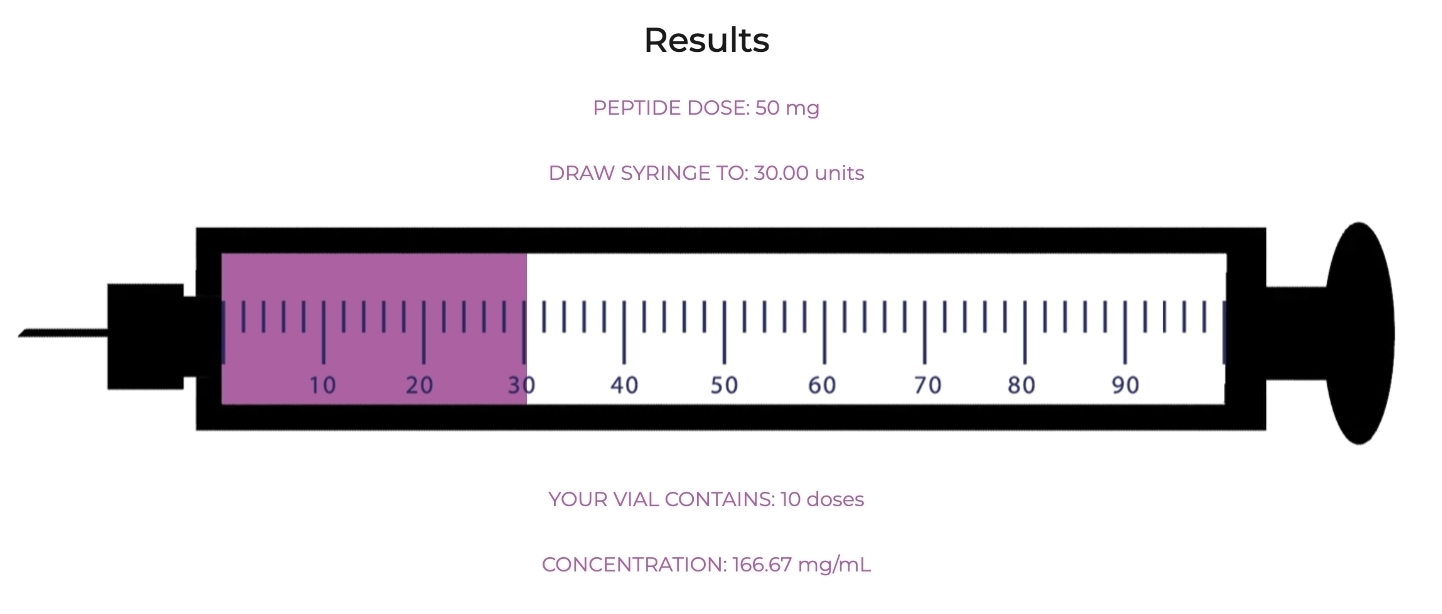
| Volume | Add 3.0 mL bacteriostatic water |
| Concentration | 166.67 mg/mL |
| Dose | 50 – 100 mg once daily |
| Cycle Length | 8 – 12 weeks |
Dosage & Protocols Variations
Standard Cellular Support
Dose: 50 – 100 mg
Duration: 8 – 12 weeks
Frequency: Every Other Day
Cycle Interval: 4-week rest
Goal / Description: Common research design for mitochondrial and energy studies.
Intensive Regeneration Protocol
Dose: 100 – 250 mg
Duration: 8 – 12 weeks
Frequency: 1× daily
Cycle Interval: 8-week rest
Goal / Description: Applied in models focusing on recovery and DNA repair.
Neurocognitive Focus Protocol
Dose: 50 mg
Duration: 8 – 12 weeks
Frequency: 1× daily (morning)
Cycle Interval: 4-week rest
Goal / Description: Studied for neuronal resilience and alertness optimization.
Longevity & Metabolic Protocol
Dose: 50 – 150 mg
Duration: 8 – 12 weeks
Frequency: Every Other Day
Cycle Interval: 8-week rest
Goal / Description: Designed for long-term metabolic and aging research.
Storage & Stability
- Lyophilized: Store at -20°C in dry, dark conditions; minimize moisture exposure.
- Reconstituted: Refrigerate at 2–8°C; use within 4–6 weeks; avoid freeze-thaw.
- Allow vials to reach room temperature before opening to reduce condensation uptake.