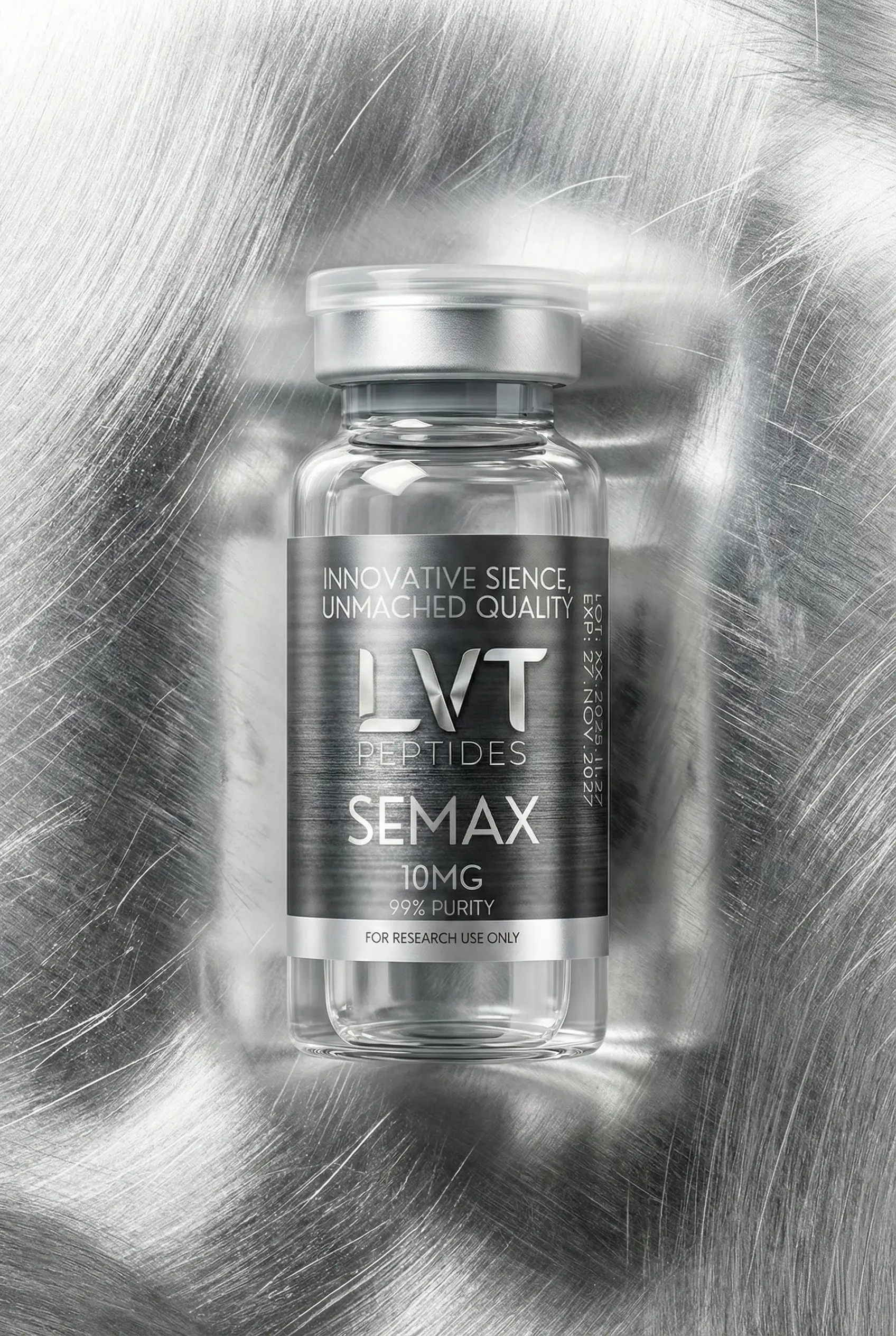
Description
Semax 10mg – Cognitive Signaling & Neuroprotection Peptide
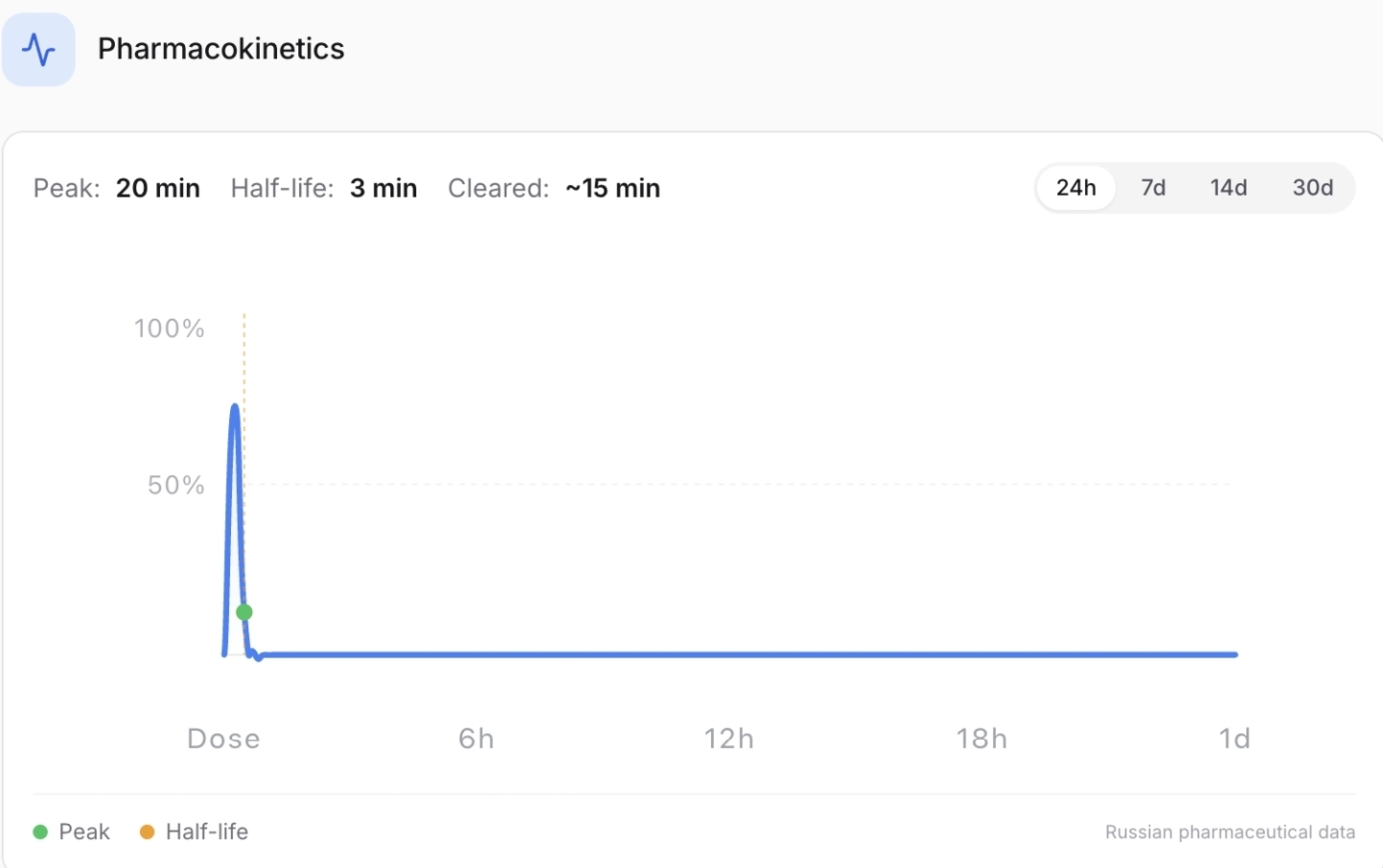
Description
Semax is a synthetic heptapeptide derived from the ACTH (4-10) fragment, modified to enhance stability and biological activity. It belongs to the class of neuroactive regulatory peptides and is primarily studied in domains such as cognitive function, neuroprotection, stroke recovery models, and stress-related neurobiology. Unlike full ACTH, Semax does not stimulate corticosteroid production, allowing selective neurological signaling research. In experimental models, it has been observed to influence neurotrophic factor expression and neurotransmitter balance.
Mechanism of Action
Semax modulates neurotrophic signaling and monoaminergic neurotransmission through selective activation of gene expression pathways associated with neuronal survival and plasticity. In research models, it has been observed to increase brain-derived neurotrophic factor (BDNF) levels, resulting in enhanced synaptic plasticity and neuronal resilience. Unlike full ACTH, Semax does not stimulate corticosteroid production, allowing targeted neurological effects without endocrine overstimulation. Preclinical and human studies suggest modulation of dopamine and serotonin pathways, contributing to cognitive signaling balance. These mechanisms support its positioning in neuroplasticity and cognitive resilience research.
Key Research Benefits
Upregulation Of Neurotrophic Factors
Semax has been studied for its ability to increase expression of brain-derived neurotrophic factor (BDNF) in both animal and human neurological research. BDNF plays a central role in synaptic plasticity, dendritic spine formation, and neuronal survival. Research demonstrates increased BDNF mRNA and protein levels in hippocampal regions following administration. This effect supports enhanced neuronal connectivity in experimental learning models. Neurotrophic activation is considered one of the core mechanisms underlying its cognitive research profile.
Enhanced Synaptic Plasticity And Memory Signaling
Clinical studies have evaluated Semax in cognitive impairment and attentional performance models. Improvements in memory recall and executive function scores have been documented in controlled settings. Mechanistically, enhanced CREB activation contributes to long-term potentiation processes within hippocampal circuits. Preclinical data show improved synaptic density under stress conditions. These findings support its role in experimental neuroplasticity enhancement.
Modulation Of Dopamine And Serotonin Systems
Semax has been observed to influence monoaminergic neurotransmission, particularly dopamine and serotonin turnover. Laboratory studies indicate regulation of transporter activity and receptor sensitivity in cortical regions. This modulation contributes to balanced neurotransmitter signaling in stress-related research models. Improved attentional performance metrics have been associated with this pathway in human studies.
Neuroprotection Under Ischemic And Oxidative Stress
In ischemic animal models, Semax administration has been associated with reduced infarct volume and improved behavioral recovery scores. Research demonstrates decreased glutamate excitotoxicity and reduced oxidative stress biomarkers in neuronal tissue. Enhanced neuronal survival pathways have been documented through BDNF-mediated signaling. These effects position Semax within experimental stroke and neuroprotection research domains.
Gene Expression Regulation And Anti-Inflammatory
Gene expression profiling studies show modulation of inflammatory cytokines and stress-response proteins following Semax exposure. Research indicates decreased expression of certain pro-inflammatory mediators in brain tissue models. This regulatory influence contributes to a stabilized neuronal microenvironment. Evidence remains primarily preclinical with supporting clinical observations.
Cognitive Resilience In Stress Models
Semax has been studied in models of acute and chronic stress exposure. Behavioral testing demonstrates improved performance compared to control groups under stress conditions. Mechanistic hypotheses suggest stabilization of monoamine signaling and neurotrophic pathways. These findings support inclusion in cognitive resilience research.
Selective ACTH Fragment Without Cortisol
Unlike full ACTH peptides, Semax does not significantly stimulate adrenal corticosteroid production. This selective activity allows neurological pathway modulation without systemic endocrine activation. Clinical endocrine markers confirm the absence of significant cortisol elevation in controlled studies.
High Bioavailability Through Subcutaneous Delivery
Provided in a stabilized pre-mixed injection pen for SubQ administration, ensuring consistent systemic exposure in research protocols. Subcutaneous delivery supports reliable peptide absorption and simplifies laboratory handling. Each unit is freshly prepared and intended strictly for research use only.
Peptide Interactions (Stack Suggestions)
| Peptide | Interaction | Description |
|---|---|---|
| NA-Semax-Amidate | Use Caution | Enhanced version of same peptide – do NOT use simultaneously. Choose one or the other based on desired duration and potency. |
| Selank | Synergistic | Complementary anxiolytic effects while Semax provides cognitive enhancement. |
| BPC-157 | Compatible | No known negative interactions, both support neuroplasticity through different mechanisms. |
| TB-500 | Compatible | Both support brain health and recovery, can be used together for comprehensive neuroprotection. |
| Stimulants | Monitor Combination | May enhance effects of stimulants – monitor carefully and reduce stimulant doses when combining. |
| MAO-Inhibitors | Use Caution | Theoretical risk due to monoamine system effects – consult healthcare provider before combining. |
Dosing & Reconstitution Guide
| Parameter | Details (SEMAX 10mg) |
|---|---|
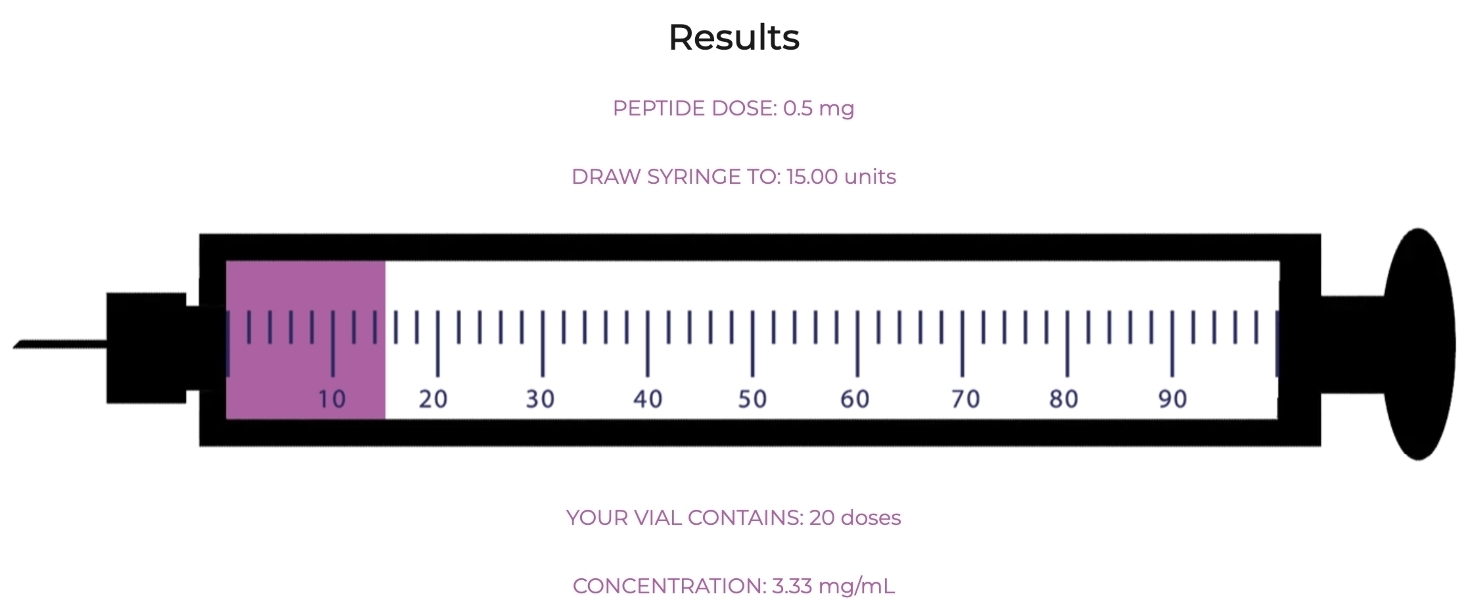
| Volume | Add 3.0 mL bacteriostatic water |
| Concentration | 3.33 mg/mL |
| Dose | 0.25 – 0.75 mg once daily |
| Cycle Length | 8 – 16 weeks |
Dosage & Protocols Variations
| Week | Daily Dose (mg) | Units (per injection) (mL) |
|---|---|---|
| Weeks 1–2 | 0.25 mg | 7.5 units (0.075 mL) |
| Weeks 3–4 | 0.50 mg | 15 units (0.15 mL) |
| Weeks 5–7 | 0.75 mg | 22.5 units (0.225 mL) |
| Weeks 8–16 | 0.50 mg | 15 units (0.15 mL) |
Suggested daily titration approach:
Start: 0.25 mg daily; increase by ~0.1 – 0.2 mg every 1–2 weeks as tolerated.
Target: 0.75 mg (750 mcg) daily by Weeks 5–7; adjust based on individual response.
Frequency: Once per day (subcutaneous).
Cycle Length: 8 weeks continuous; optional extension to 12–16 weeks with off periods.
Timing: Any consistent time; rotate injection sites systematically.
Storage Instructions
Proper storage preserves peptide quality and stability.
- Lyophilized: Store at −20 °C in dry, dark conditions; minimize moisture exposure.
- Reconstituted: Refrigerate at 2–8 °C; use within 4–6 weeks; avoid freeze–thaw.
- Allow vials to reach room temperature before opening to reduce condensation uptake.