Description
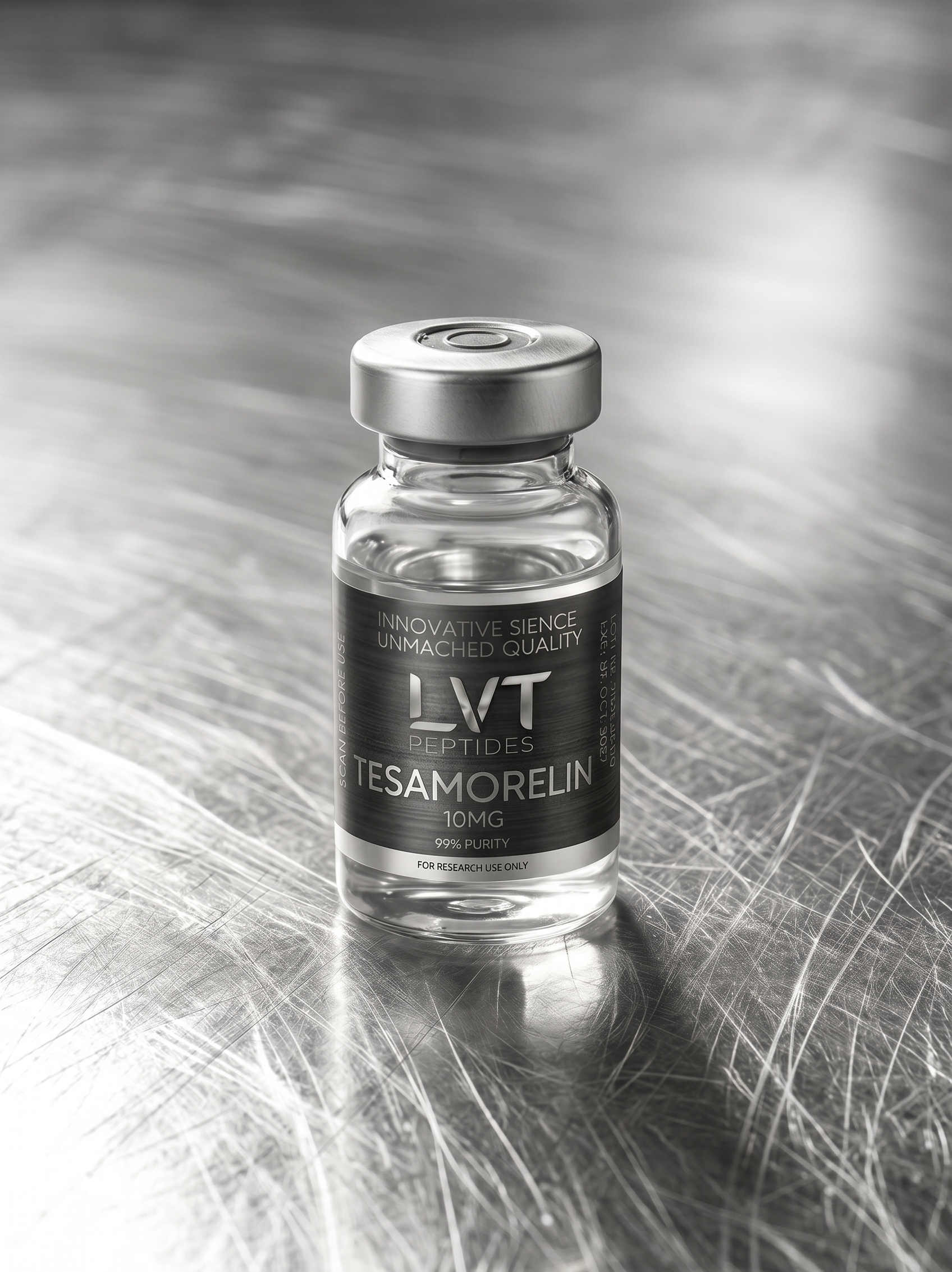
Tesamorelin 10mg – Synthetic GHRH Analog
Synthetic growth hormone-releasing hormone (GHRH) analog that has demonstrated significant efficacy in visceral fat reduction and metabolic optimization through FDA-approved clinical protocols. It is a stabilized version of the naturally occurring human hypothalamic peptide.
Product Attributes
| Attribute | Details |
|---|---|
| CAS # | 218949-48-5 |
| Molecular Formula | C221H366N72O67S |
| Sequence (AA) | Tyr-DAla-Asp-Ala-Ile-Phe-Thr-Asn-Ser-Tyr-Arg-Lys-Val-Leu-Gly-Gln-Leu-Ser-Ala-Arg-Lys-Leu-Leu-Gln-Asp-Ile-Met-Ser-Arg-Gln-Gln-Gly-Glu-Ser-Asn-Gln-Glu-Arg-Gly-Ala-Arg-Ala-Arg-Leu-NH2 |
| Molecular Weight | 5135.87 g/mol |
| PubChem CID | 10492583 |
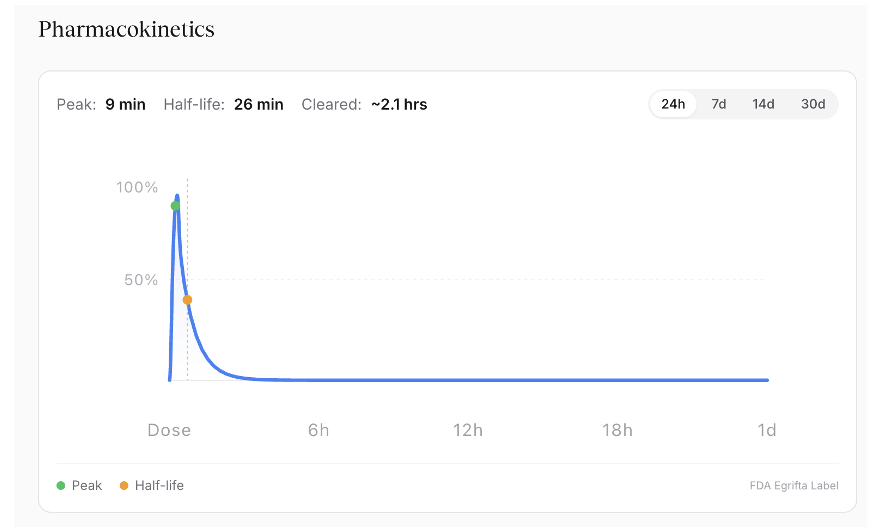
| Half-Life | ~30 minutes (biological activity extended up to 2 hours) |
| Synonyms | TH9507, Tesamorelin acetate, Egrifta SV WR, hGRF / GHRH / Growth hormone-releasing factor analog |
| Type | Synthetic GHRH analog |
| Research Focus | Weight Loss, Anti-Age, Endocrine Regulation |
Description
Tesamorelin is a synthetic analog of growth hormone-releasing hormone (GHRH) designed to stimulate endogenous growth hormone secretion from the pituitary gland. This action elevates circulating IGF-1 levels and enhances cellular repair, metabolism, and tissue regeneration without direct hormonal supplementation.
Research demonstrates that Tesamorelin reduces visceral adipose tissue (VAT) while preserving lean muscle mass, making it a central focus in studies of metabolic optimization and body recomposition. It has also shown potential in improving lipid profiles, liver health, and glucose tolerance in both clinical and experimental settings.
Beyond metabolic applications, Tesamorelin supports collagen synthesis, tissue healing, and neuroprotection through the GH-IGF-1 axis, contributing to ongoing research in recovery, aging, and cognitive performance enhancement.
Formulated in a stabilized pre-mixed injection pen for SubQ administration, Tesamorelin ensures high bioavailability and precision dosing for experimental use in hormonal, metabolic, and regenerative studies.
Mechanism of Action
Tesamorelin binds to GHRH receptors (GHRHR) on pituitary somatotrophs, activating the Gαs protein-coupled adenylate cyclase-cAMP-PKA signaling pathway. This results in increased GH synthesis and pulsatile secretion. The subsequent rise in circulating GH stimulates hepatic production of IGF-1, which mediates downstream anabolic and lipolytic effects via the PI3K-Akt-mTOR and JAK-STAT pathways. Unlike exogenous GH, Tesamorelin preserves physiological feedback control, reducing desensitization risks and supporting sustained GH-axis activity. Its structural modification (addition of a trans-3-hexenoic acid group at the N-terminus) enhances resistance to DPP-IV degradation, extending its half-life for consistent biological activity.
Key Research Benefits
Gene Expression Resetting and Cellular Rejuvenation
Transcriptomic analyses reveal that GHK-Cu can revert gene expression profiles of aged cells to a more youthful state, affecting over 4,000 genes linked to cell growth, antioxidant defense, and repair. This profound genomic modulation underscores its growing significance in anti-aging, epigenetic, and longevity research models.
Stimulation of Natural Growth Hormone Release
Tesamorelin is a synthetic analog of growth hormone-releasing hormone (GHRH) studied for its ability to stimulate the pituitary gland to produce and release endogenous GH. This mechanism supports natural GH pulsatility and increases circulating IGF-1 levels, resulting in enhanced cellular repair, metabolism, and recovery functions observed in research models.
Reduction of Visceral and Abdominal Fat
One of the most documented effects of Tesamorelin is its ability to reduce visceral adipose tissue (VAT) while preserving lean muscle mass. Clinical data show significant decreases in intra-abdominal fat, making it a leading peptide in studies exploring obesity, body recomposition, and metabolic optimization.
Improvement of Lipid and Metabolic Profiles
Research has demonstrated that Tesamorelin improves lipid metabolism by lowering triglycerides and total cholesterol while enhancing HDL levels. These effects contribute to better cardiovascular health and metabolic balance, making it valuable in experimental models of dyslipidemia and cardiometabolic health.
Enhanced Muscle Regeneration and Recovery
Tesamorelin indirectly promotes muscle growth and repair through IGF-1 activation, stimulating protein synthesis and satellite cell activity. This regenerative effect supports faster recovery after physical stress, injury, or intensive exercise, forming the basis of its use in muscle regeneration and rehabilitation research.
Improved Liver Health and Fat Metabolism
Preclinical and clinical findings suggest Tesamorelin reduces hepatic steatosis and improves liver enzyme levels by modulating lipid metabolism and enhancing mitochondrial oxidation. These results have drawn interest in its potential role in non-alcoholic fatty liver disease (NAFLD) and liver regeneration studies.
Support for Cognitive and Neurological Function
Emerging research shows Tesamorelin may have a positive impact on cognitive performance and memory through the neuroprotective effects of GH and IGF-1. These hormones enhance synaptic plasticity, neuronal survival, and glucose metabolism in the brain, supporting experimental exploration in neuroendocrine and cognitive health research.
Restoration of Natural Hormonal Rhythm
Unlike exogenous GH, Tesamorelin preserves physiological growth hormone pulsatility, aligning with the body’s natural circadian rhythm. This balanced endocrine stimulation reduces the risk of receptor desensitization and provides a more natural restoration of hormonal homeostasis in long-term studies.
Enhancement of Collagen Synthesis and Skin Health
Through IGF-1 pathway activation, Tesamorelin enhances collagen production and skin elasticity. These effects contribute to improved skin structure and wound repair, making it an area of interest in aesthetic and regenerative dermatology research.
Improvement in Physical Performance and Energy
Research shows Tesamorelin increases mitochondrial efficiency and energy utilization, leading to improved stamina and physical capacity. Its anabolic and metabolic actions enhance muscle energy supply, making it suitable for studies examining endurance and performance recovery under metabolic stress.
Neuroprotective and Anti-Aging Implications
GH and IGF-1 signaling activated by Tesamorelin has been observed to slow cellular aging processes by enhancing DNA repair, antioxidant activity, and protein turnover. These mechanisms contribute to its inclusion in experimental models of neuroprotection, metabolic longevity, and regenerative aging research.
FDA-Approved for Lipodystrophy Research Context
Tesamorelin is FDA-approved for HIV-associated lipodystrophy, providing a well-documented safety and efficacy profile. Its research applications extend beyond this indication, including studies on metabolic syndrome, hormone restoration, and tissue repair through controlled GH axis modulation.
Synergistic Effects with CJC-1295 and Ipamorelin
Combining Tesamorelin with CJC-1295 or Ipamorelin enhances growth hormone secretion frequency and amplitude. This synergistic protocol amplifies IGF-1 production, improving muscle recovery, fat metabolism, and energy output—making it a cornerstone combination in advanced GH secretagogue research.
Peptide Interactions (Stack Suggestions)
| Peptide / Compound | Interaction | Description |
|---|---|---|
| CJC-1295 (No-DAC) or Ipamorelin | Synergistic | To amplify natural GH release in research settings. |
| AOD-9604 or 5-Amino-1MQ | Synergistic | For enhanced fat metabolism and body composition optimization. |
Dosing & Reconstitution Guide
| Parameter | Details (Tesamorelin 10mg) |
|---|---|
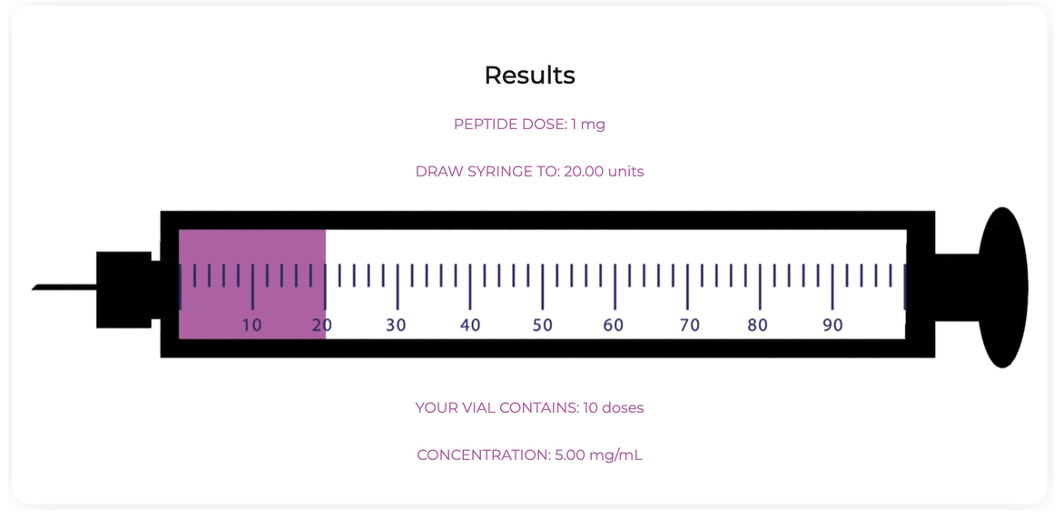
| Volume | Add 2.0 mL bacteriostatic water |
| Concentration | 5.0 mg/mL |
| Dose | 1.0 – 2.0 mg daily |
| Cycle Length | 12 – 16 weeks |
Dosage & Protocols Variations
Standard GH-Releasing Protocol
Dose: 1 – 2 mg
Duration: 8 – 12 weeks
Frequency: 1× daily
Cycle Interval: 8-week rest
Goal / Description: Used to stimulate GH and IGF-1 secretion in controlled models
Lipolytic Research Protocol
Dose: 2 mg
Duration: 12 – 16 weeks
Frequency: 1× daily
Cycle Interval: 8-week rest
Goal / Description: Focused on visceral fat and lipid metabolism studies
Endocrine Optimization Protocol
Dose: 1 mg
Duration: 8 – 12 weeks
Frequency: Every Other Day
Cycle Interval: 4-week rest
Goal / Description: Investigates hormonal axis modulation and pituitary response
Maintenance Protocol
Dose: 1 mg
Duration: ongoing
Frequency: 2× weekly
Cycle Interval: 12-week rest
Goal / Description: Maintains GH/IGF-1 balance in prolonged research conditions
Storage Instructions
Proper storage preserves peptide quality and stability.
- Lyophilized: Store at −20 °C in dry, dark conditions; minimize moisture exposure.
- Reconstituted: Refrigerate at 2–8 °C; use within 4–6 weeks; avoid freeze–thaw.
- Allow vials to reach room temperature before opening to reduce condensation uptake.